
Top Functional Strength Exercises for Outdoor BC Adventures
One of the best parts of living in British Columbia is how easy it is to get outside and explore. Whether you’re hiking the Stawamus Chief in Squamish, paddling through Deep Cove, tackling local mountain bike trails, or spending a weekend camping in the backcountry, outdoor adventures demand more from your body than many people realize.
While traditional gym training can certainly improve strength and fitness, outdoor activities often require a different combination of attributes. Uneven terrain, steep climbs, carrying gear, changing conditions, and long days on your feet challenge balance, coordination, endurance, and stability just as much as raw strength. That’s where functional training comes in. By incorporating exercises that mimic real-world movement patterns, you can build strength that translates directly to your next outdoor adventure.
What Is Functional Strength Training?
Functional strength training focuses on movements that improve your ability to perform everyday activities and recreational pursuits. Rather than isolating individual muscles, functional exercises train multiple muscle groups to work together through coordinated movement patterns.
For outdoor enthusiasts, this approach is especially valuable. Hiking, kayaking, trail running, and climbing all require your body to produce force while maintaining balance and stability. The stronger and more resilient your movement patterns become, the more efficiently you’ll be able to navigate challenging terrain and the less likely you are to experience fatigue or injury during longer adventures.
The goal isn’t simply to lift heavier weights, it’s to build strength that helps you move better both inside and outside the gym!
Why Outdoor Adventures Require More Than Cardio
Many people preparing for a hiking trip or paddling excursion focus exclusively on cardiovascular training. While aerobic fitness is certainly important, strength often becomes the limiting factor when terrain gets challenging. Think about what happens during a steep climb. Your legs repeatedly generate force to propel you uphill while your core stabilizes your spine and your hips work to maintain balance on uneven ground. During a kayaking session, your upper body, core, and lower body work together to generate power and maintain posture over extended periods of time.
When strength and stability improve, outdoor activities often feel easier, even when your cardiovascular fitness remains unchanged. That’s why incorporating strength training into your routine can have such a significant impact on performance.
The Best Functional Strength Exercises for BC Adventures
While there are countless exercises that can improve performance outdoors, a handful consistently provide the greatest return on investment. These movements develop the strength, stability, and coordination needed for a wide variety of activities across British Columbia’s diverse landscapes.
Bulgarian Split Squats
Single-leg strength is essential for hiking, climbing, and navigating uneven terrain. Bulgarian split squats challenge balance while developing strength through the glutes, quadriceps, and hamstrings.
Because each leg works independently, this exercise also helps address strength imbalances that can become more noticeable during long hikes or demanding outdoor activities. If you’re looking for an effective hiking leg workout, this should be near the top of your list.
Step-Ups
Few exercises replicate hiking as effectively as step-ups. Every step on a trail requires you to drive through one leg while stabilizing your body weight. Step-ups strengthen the muscles responsible for climbing while improving coordination and balance.
For an added challenge, perform them while holding dumbbells or carrying a weighted backpack to simulate trail conditions.
Deadlifts
Deadlifts are one of the most effective exercises for building total-body strength. They strengthen the posterior chain, including the glutes, hamstrings, and lower back, while teaching your body how to generate force efficiently.
Whether you’re carrying camping equipment, loading kayaks, or lifting gear into a vehicle, deadlift strength transfers directly to many outdoor activities.
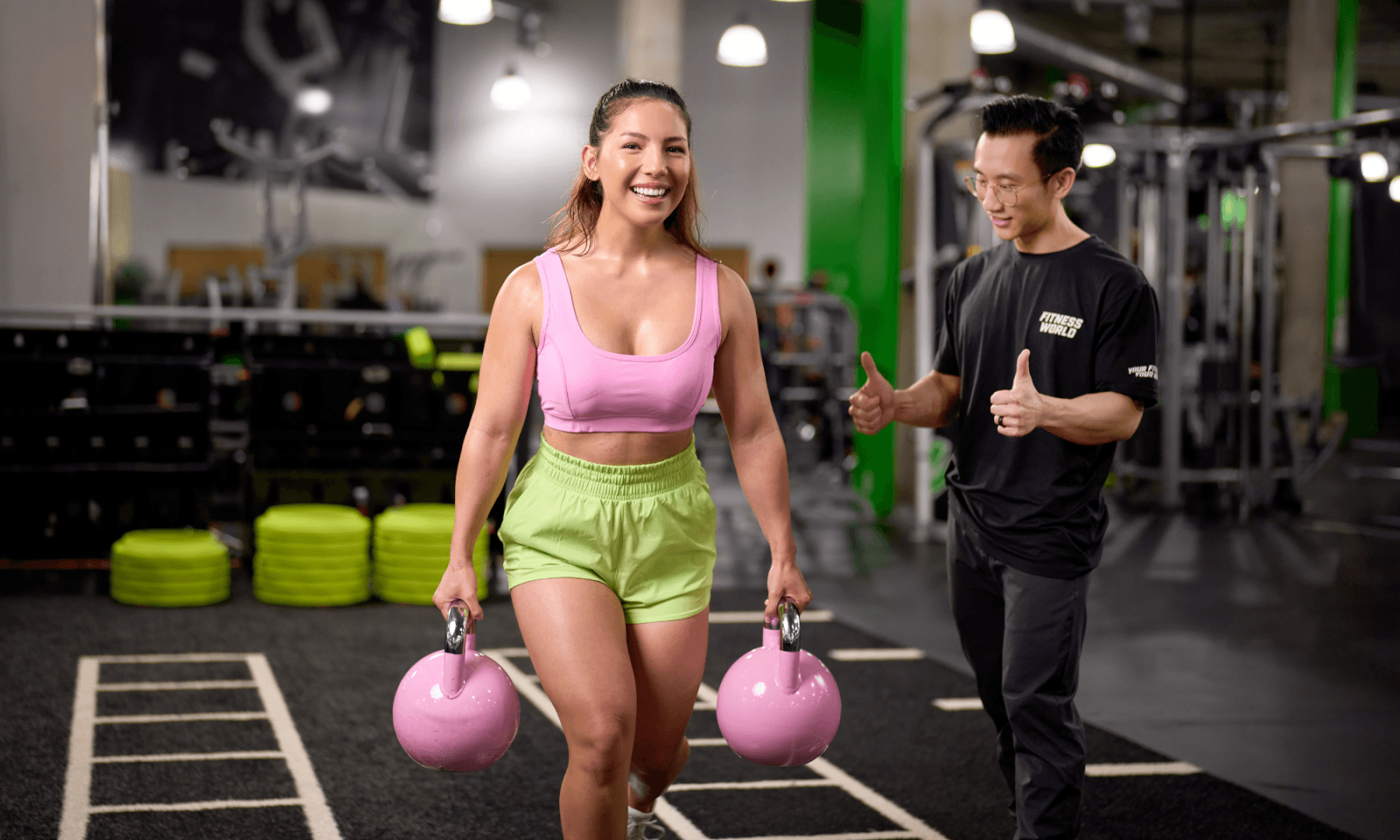
Farmer’s Carries
Outdoor adventures often involve carrying something. It may be a backpack, a kayak, camping equipment, or simply supplies for the day. Farmer’s carries train grip strength, core stability, posture, and endurance simultaneously.
They’re simple to perform but incredibly effective for developing real-world strength that supports outdoor recreation.
Pull-Ups
Pull-ups build upper-body and grip strength while improving shoulder stability. These qualities are particularly valuable for climbers, paddlers, and anyone participating in activities that require sustained upper-body endurance.
Even if pull-ups aren’t currently part of your routine, assisted variations can help build the strength necessary to progress over time.
Don’t Overlook Core Training
When people think about core training, they often picture endless crunches and sit-ups. In reality, your core’s primary job is to stabilize your spine and transfer force between your upper and lower body.
For hikers and paddlers, a strong core improves posture, reduces energy leaks, and helps maintain balance on uneven surfaces. Rather than focusing solely on traditional abdominal exercises, prioritize movements that challenge stability and control.
Functional Core Exercises
- Planks
- Side Planks
- Dead Bugs
- Pallof Presses
- Bird Dogs
These exercises help build a resilient core that supports movement rather than simply training visible abdominal muscles.
Training for Hiking vs. Kayaking
While both activities benefit from functional strength training, the physical demands differ slightly. Hiking places a greater emphasis on lower-body endurance, single-leg strength, and balance. Exercises like step-ups, split squats, and loaded carries should make up a larger portion of your training.
Kayaking, on the other hand, requires significant upper-body endurance, rotational strength, and core stability. Pull-ups, rows, rotational exercises, and anti-rotation core work become increasingly important. The good news is that most functional training programs include enough overlap to improve performance in both activities simultaneously.
Building a Functional Training Routine
One of the biggest mistakes I see is people trying to completely reinvent their workouts before an outdoor adventure. You don’t need an entirely new training program. In most cases, adding a few functional movements to your existing routine is enough to create meaningful improvements.
Aim to incorporate two to three functional strength sessions each week. Focus on compound exercises, challenge balance where appropriate, and prioritize quality movement over chasing heavier weights. Consistency will always have a greater impact than trying to cram months of preparation into a few weeks.
The Long-Term Benefits of Functional Fitness
Functional training isn’t just about preparing for a specific hike or weekend adventure. The same qualities that help you perform outdoors like strength, balance, mobility, coordination, and endurance, also improve how you move through everyday life.
Whether you’re carrying groceries, playing with your kids, climbing stairs, or exploring BC’s incredible trail systems, functional strength helps you stay capable and confident. It’s one of the most practical investments you can make in your long-term health and performance.
Ready to Train for Your Next Adventure?
Whether you’re preparing for a challenging hike, improving overall fitness, or looking to build strength that translates beyond the gym, Fitness World’s coaches can help you create a plan tailored to your goals. Come visit us today so you are prepared for your next outdoor adventure!
About the Author
Brian Truong is the Director of Fitness Education at Fitness World Canada and Lead Instructor at the British Columbia Personal Training Institute (BCPTI). With a background in counselling psychology and extensive experience in strength training, movement coaching, and fitness education, Brian takes a holistic approach to performance that emphasizes long-term physical, mental, and emotional growth. His work focuses on helping individuals build sustainable training habits that improve not only how they perform in the gym, but how they move, recover, and maintain their health over time.
